Intensive Outpatient
Programs In Denver
Taking the first step toward treatment can feel overwhelming, especially when you’re balancing work, family, and daily responsibilities. At Flatirons Recovery, our IOP in Denver offers structured support for adults navigating drug and alcohol addiction while living at home. Our intensive outpatient program combines personalized care with a small, supportive community where your team knows your name. Together, we help you build recovery skills you can use in everyday life, with a treatment plan that considers your needs, goals, and responsibilities.
// Community & Healing
Our Intensive Outpatient Program in Denver, Colorado
Flatirons Recovery’s intensive outpatient program (IOP) serves adults in the Denver area who need structured treatment for substance use, mental health concerns, or both. Through group therapy, individual counseling, and practical coping skills, you can receive ongoing clinical support while living at home or in a supportive recovery environment.
IOP provides more support than weekly therapy without an overnight stay. Whether you are starting treatment or continuing care after a more intensive program, an assessment helps determine whether this level of care fits your needs.
We Accept Most PPO Insurance
We work with most major insurance carriers to help provide affordable, accessible treatment options to those who need it most. Our admissions coordinators can answer all of your questions. Call for a confidential assessment and insurance verification.
Unfortunately, we are unable to accept Medicare or Medicaid at this time.









// Understanding IOP in Denver
What Is an Intensive Outpatient Program?
An intensive outpatient program is a scheduled course of treatment that involves multiple therapy sessions each week. You attend appointments, work on specific treatment goals, and return home afterward. Between sessions, you practice what you learn in the situations that affect your recovery and well-being.
For substance use treatment, SAMHSA’s 2021 advisory describes adult IOP as providing at least nine treatment hours per week. Actual attendance requirements depend on the program and your clinical needs. This is a general treatment benchmark, not a statement of Flatirons Recovery’s current schedule.
IOP can be a starting point for people who do not need around-the-clock care. It can also provide continued structure after residential treatment or a partial hospitalization program. Your assessment considers your symptoms, safety, home environment, and previous treatment experience before recommending an appropriate level of support.
// When IOP is The Right Choice
Is IOP in Denver Right for You?
You may benefit from intensive outpatient treatment if weekly counseling has not provided enough support, or if you are ready to transition from a more intensive program. Being able to attend consistently and remain safe between sessions is an important part of the decision.
An assessment can help if you:
– Continue returning to alcohol or drugs despite wanting to stop.
– Need help managing cravings, triggers, or the situations that lead to substance use.
– Experience mental health symptoms that interfere with relationships, work, or daily routines.
– Have completed residential treatment or PHP and need ongoing accountability.
– Need structured care while living at home or in sober living.
You do not have to decide on the right program before calling. Explain what has been happening, what you are struggling with, and what support you have. The next step should reflect your needs rather than your ability to identify a diagnosis yourself.
// The Role of Other Levels of Care
When You May Need More Support Than IOP
IOP does not provide overnight monitoring or replace medically supervised withdrawal care. An unsafe home environment, serious withdrawal risk, or symptoms requiring urgent stabilization may call for a different setting first.
Alcohol withdrawal can be life-threatening. If you drink heavily or have experienced withdrawal before, seek medical advice before stopping. Severe symptoms such as seizures or confusion require emergency medical care. Flatirons Recovery offers detox facilitation through medical partners when that is the appropriate first step.
// What IOP in Denver Treats
Addiction and Mental Health Support in One Treatment Plan
The reasons for seeking IOP vary. Some people want to stop drinking or using drugs. Others need help with mental health symptoms, or with the way those symptoms and substance use affect each other. An assessment helps clarify the concerns your treatment plan needs to address.
Outpatient Alcohol and Drug Treatment
Addiction treatment involves understanding your patterns of use and developing practical responses to cravings and high-risk situations. That might mean planning how to handle a stressful evening, avoiding a familiar drinking routine, or asking for support before an urge becomes harder to manage.
The work also includes rebuilding routines that support recovery: sleep, relationships, meaningful activities, and consistent follow-through with care. If medication or additional medical services may be appropriate, discuss those needs during your assessment.
Mental Health and Dual Diagnosis Care
Flatirons Recovery provides mental health treatment and dual diagnosis care for people with co-occurring substance use and mental health concerns. The assessment explores how issues such as anxiety, depression, and trauma affect daily functioning and treatment needs.
For someone using alcohol to cope with anxiety, for example, treatment needs to address both the drinking pattern and the anxiety. Discuss your symptoms and previous diagnoses with admissions so the team can explain whether the available program is an appropriate fit.
// What to Expect
What Happens During Intensive Outpatient Treatment?
At Flatirons Recovery, IOP includes group and individual therapy. Your plan identifies the issues you want to change and the skills you need to practice. The purpose is to connect treatment with daily life, including the moments when stress, cravings, or difficult emotions show up outside a session.
Group Therapy: Build Skills and Connection
Group sessions create opportunities to discuss challenges, learn coping strategies, and hear how others approach similar situations. You might practice setting a boundary, recognizing a trigger, or asking for help. Participation is about developing skills and connection, not comparing whose experience has been hardest.
Individual Counseling: Focus on Your Goals
Individual sessions provide space to discuss personal concerns, review progress, and work through barriers to change. Your therapist can help you connect what happens between appointments with the goals you are addressing in treatment.
Coping Skills and Relapse Prevention
Skills practice helps turn insight into action. Examples include recognizing early warning signs, responding to cravings, managing conflict, and developing a plan for difficult days. Recovery planning also identifies the people and resources you can turn to when you need additional support.
Mindfulness and Family Support
Flatirons Recovery incorporates mindfulness into its treatment approach. Grounding and awareness practices can help you notice emotions and urges before responding automatically. Family support may also be part of care, with attention to communication, boundaries, and understanding recovery. Ask how these services fit into your recommended track.
// Accessible Care That Fits Your Daily Schedule
How Does IOP Fit Around Work, School, and Family?
IOP requires a consistent weekly commitment. Although outpatient care can make it possible to continue daily responsibilities, appointments still need protected time in your schedule. Before starting, consider your work hours, commute, childcare, and the time you need to participate without rushing.
Flatirons Recovery lists daytime, evening, and virtual IOP options. Admissions can explain current availability, attendance requirements, and which option is clinically appropriate for you.
Evening IOP in Denver
Evening treatment may be helpful if your work or classes take place during the day. Confirm session times before enrolling, especially if you work rotating shifts or need to arrange transportation or family responsibilities.
Virtual IOP in Colorado
Virtual treatment may reduce the travel involved in attending care. It still requires reliable internet, a private place to participate, and consistent attendance. Ask whether virtual IOP is appropriate for your needs and available where you will be physically located during sessions.
// Clinically Supported Care
Our Team
Our Denver staff includes licensed therapists, counselors, and support professionals with experience across substance use and mental health treatment. Several bring their own recovery experience alongside their credentials. Get to know the people who will be walking alongside you below.
 Leadership
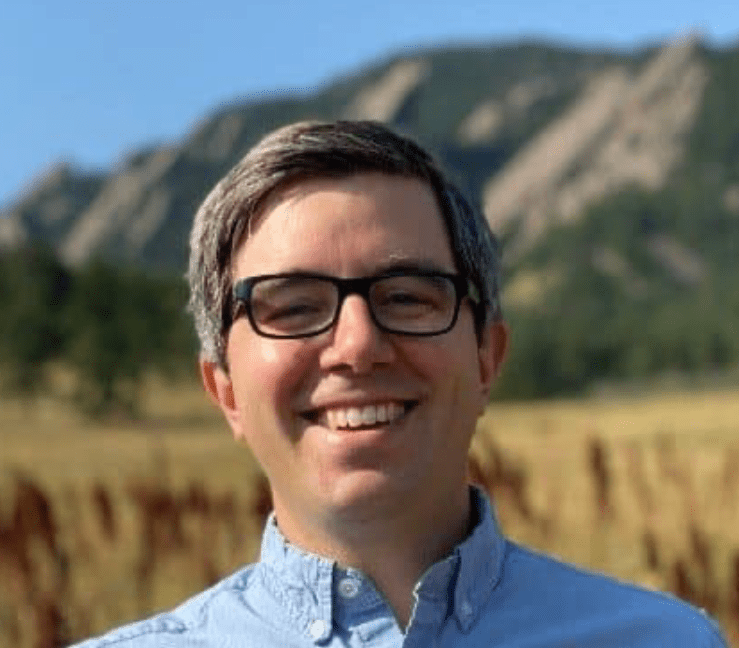
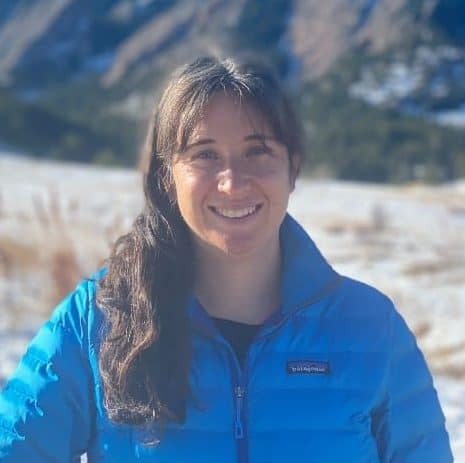
Mark Oberg
Co-Founder & CEO
Mark Oberg, LPC, LAC
Mark brings more than a decade of clinical experience helping people navigate addiction and co-occurring mental health challenges. His approach combines clinical training with a personal meditation practice, helping clients build self-understanding and approach recovery with greater compassion.
Experience
- Board Certified Licensed Addiction Counselor (LAC)
- 10+ years of clinical experience in substance use and dual diagnosis treatment
- Undergraduate degree from the University of Minnesota Duluth and master’s degree from Naropa University
- Experience in residential treatment, outpatient care, and community mental health
- Trained in EMDR, DBT, and Motivational Interviewing
Highlights
- Brings mindfulness into everyday recovery
- Encourages growth without judgment
- Helps clients build healthier ways to cope
 Leadership
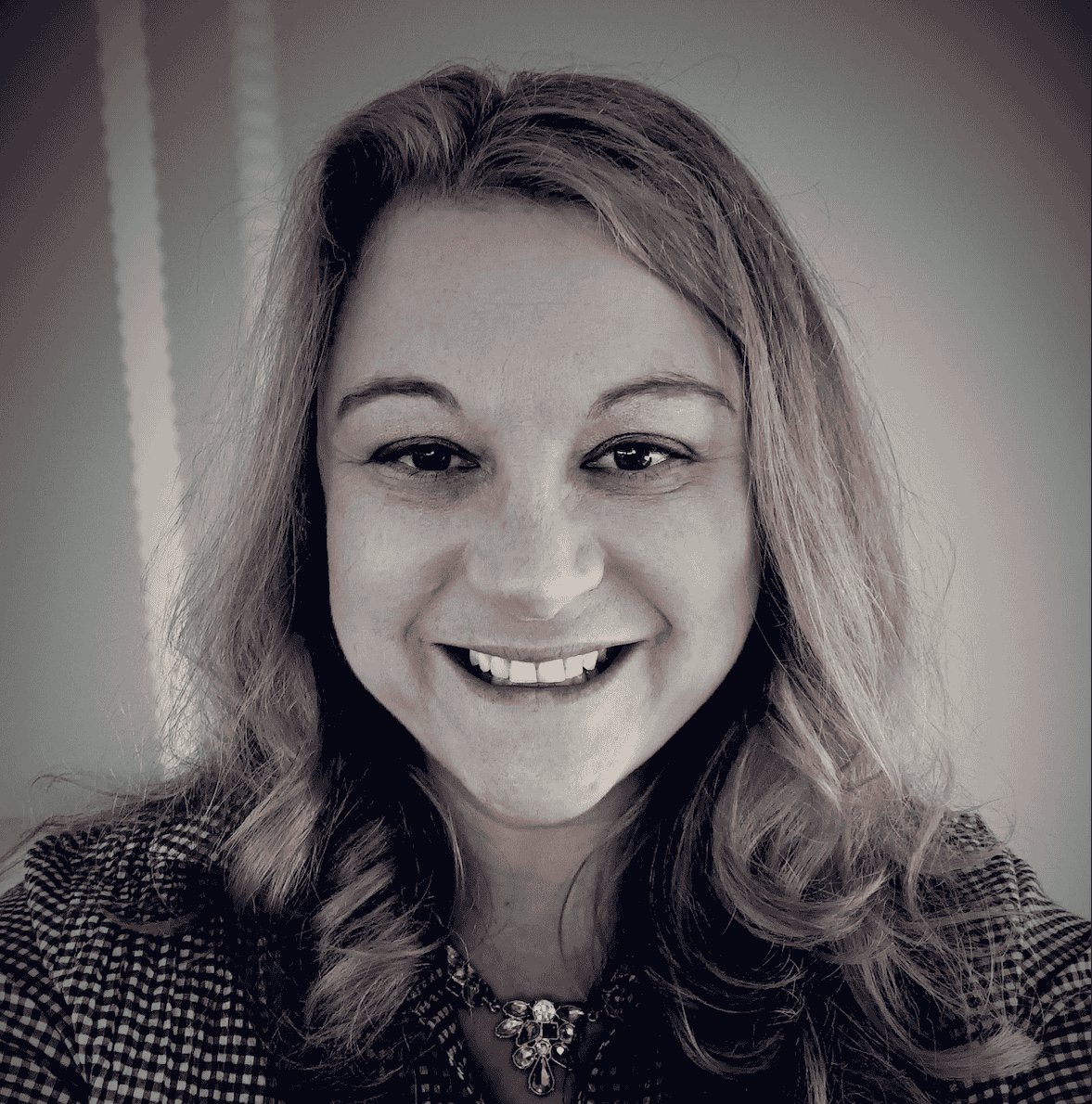
Rachael Uris
Co-Founder & Director of Community Outreach
Rachael Uris, MA
Rachael brings more than twelve years of experience in Colorado’s mental health field and a passion for helping people feel connected. Her background as a bilingual psychotherapist shapes her approach to community outreach, grounded in mindfulness, trauma awareness, and whole-person healing.
Experience
- 12+ years of experience in mental health care
- Bachelor’s degree from the University of Colorado and master’s degree in Contemplative Counseling Psychology from Naropa University
- Bilingual in Spanish and English, with psychotherapy experience in community mental health, public schools, women’s healthcare, and private practice
- Trained in EMDR, Motivational Interviewing, trauma-focused therapies, EFT, and ACT
- Leads community outreach at Flatirons Recovery and serves on the Colorado Professional Liaison Association board
Highlights
- Builds meaningful community connections
- Brings a mindful, whole-person perspective
- Values healing that recognizes each person’s experiences
 Leadership
Felicity Olson
Clinical Director
Felicity Olson, LCSW
Felicity brings extensive experience in addiction and mental health treatment and believes every person is capable of meaningful change. As Clinical Director, she helps shape individualized care while supporting the continued growth of the clinicians who provide it.
Experience
- Master’s degree in Social Work from Colorado State University Pueblo
- Experience supporting individuals, families, and communities through addiction and mental health treatment
- Training in EMDR, Trauma-Focused CBT, Motivational Interviewing, mindfulness-based therapy, and psychodynamic therapy
- Background in group and family therapy
- Clinical leadership focused on personalized treatment and clinician development
Highlights
- Believes in each client’s capacity to heal
- Shapes care around individual needs
- Supports the people who support your recovery
 Leadership
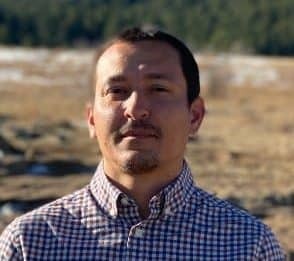
Jaroed Sarmiento
Director of Operations
Jaroed Sarmiento
Jaroed brings personal recovery experience and a practical understanding of the challenges that can come with starting treatment. Through his work in recovery housing, he helps clients build daily structure, connect with sober support, and see the possibility of a fulfilling life in recovery.
Experience
- Hands-on experience supporting clients in structured recovery housing
- Background coordinating daily housing operations and attendance at 12-step meetings
- Helps introduce clients to 12-step participation and recovery community support
- Draws on his own treatment and recovery experiences to encourage others
Highlights
- Brings lived recovery experience
- Offers hope during difficult beginnings
- Helps clients find connection in sobriety
 Medical
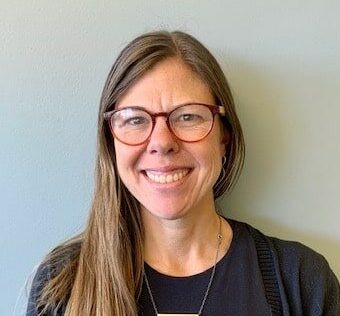
Kate M. Ziesenheim
Psychiatric Physician Assistant
Kate M. Ziesenheim, PA-C
Kate provides medical and psychiatric care with an approach that considers the whole person. Drawing on years of outpatient psychiatry experience and her own recovery journey, she helps clients address their medical needs while working toward a meaningful life in sobriety.
Experience
- Completed Physician Assistant Studies at Pacific University
- Undergraduate degree in Psychology and Philosophy from Pennsylvania State University
- Years of experience practicing outpatient psychiatry
- Provides medical and psychiatric evaluations, medication management, and medication-assisted treatment
- Background in crisis intervention, case management, supportive counseling, and homeless outreach
Highlights
- Brings personal recovery insight
- Looks beyond symptoms to understand the whole person
- Coordinates medical care with the clinical team
 Medical
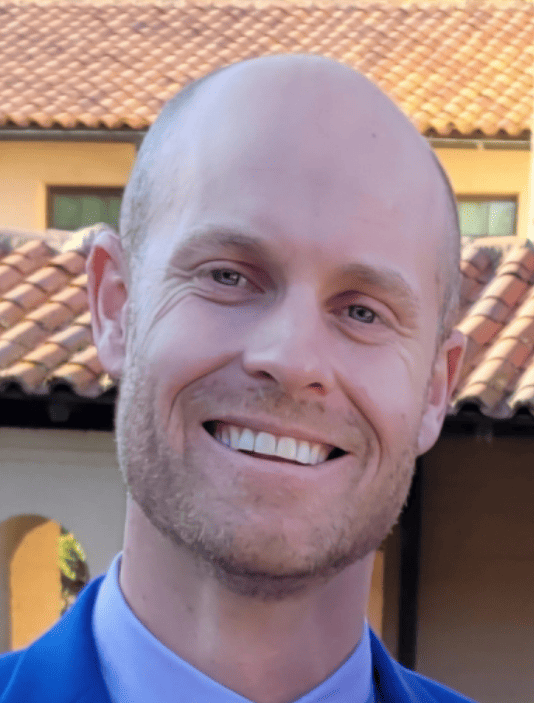
Mycroft Smith
Medical Director
Mycroft Smith, MD
Mycroft believes effective care begins with understanding what matters to each person and their family. His background in psychiatry, international public health, and the study of Eastern medicine informs a collaborative approach that places clients’ goals at the center of treatment.
Experience
- Earned his medical degree from the University of Colorado in 2011
- Completed an adult psychiatry residency and one year of a child and adolescent psychiatry fellowship
- Clinical experience spanning eating disorders, severe and enduring mental illness, harm reduction, and geriatric psychiatry
- Studied Eastern medicine in China and supported community public health efforts in Nepal
Highlights
- Listens to what matters to you
- Values collaboration with clients and families
- Recognizes nature’s role in well-being
 Clinical
Sam Lotko
Clinical Program Manager – Denver
Sam Lotko, LPCC
Sam combines a background in creative art therapy with experience supporting people through grief, eating disorders, and addiction recovery. Their approach helps clients explore emotions, strengthen relationships, and build practical skills through creativity and connection.
Experience
- Undergraduate degree in Illustration from Savannah College of Art and Design and master’s degree in Creative Art Therapy from Hofstra University
- Experience supporting children and families facing terminal illness, grief, and loss
- Background providing art therapy for older adults with dementia and Alzheimer’s disease
- Former Program Therapist II in eating disorder treatment for adolescents and adults
- Leads art therapy, nutrition, and open process groups, with curriculum addressing boundaries, emotional regulation, self-compassion, and relationships
Highlights
- Makes room for creative expression
- Helps clients practice self-compassion
- Connects emotional awareness with everyday skills
 Clinical
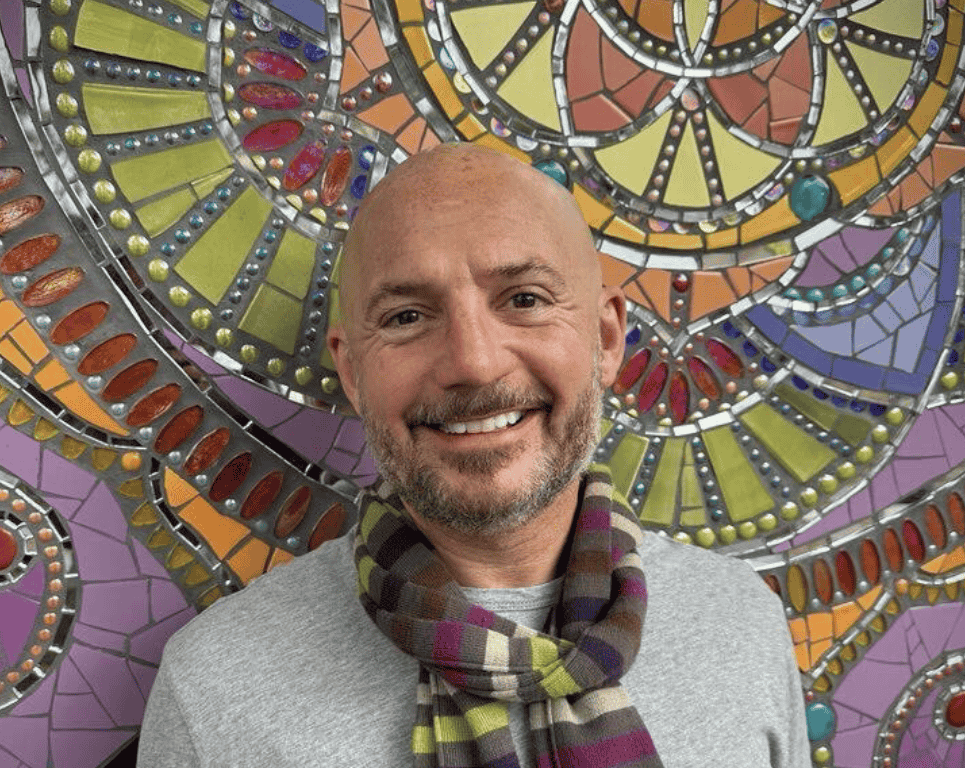
Darrin Buehler
Clinical Program Manager – Denver
Darrin Buehler, LPCC
Darrin brings a background in counseling and organizational psychology, with a belief that personal growth strengthens the ability to support others. His experience spans work with at-risk youth, individual counseling, and helping teams develop authentic leadership and stronger connections.
Experience
- Master’s degree in Counseling Psychology
- Began his therapeutic career at Denver Mental Health and Social Services, working with at-risk youth
- 25-year career in Industrial/Organizational Psychology
- Supported Fortune 500 companies in leadership development, team effectiveness, and strategy execution
- Provides counseling in private practice and at Flatirons Recovery as an LPCC
Highlights
- Values doing his own personal growth work
- Brings a broad perspective on people and relationships
- Draws on experience in counseling and leadership
 Clinical
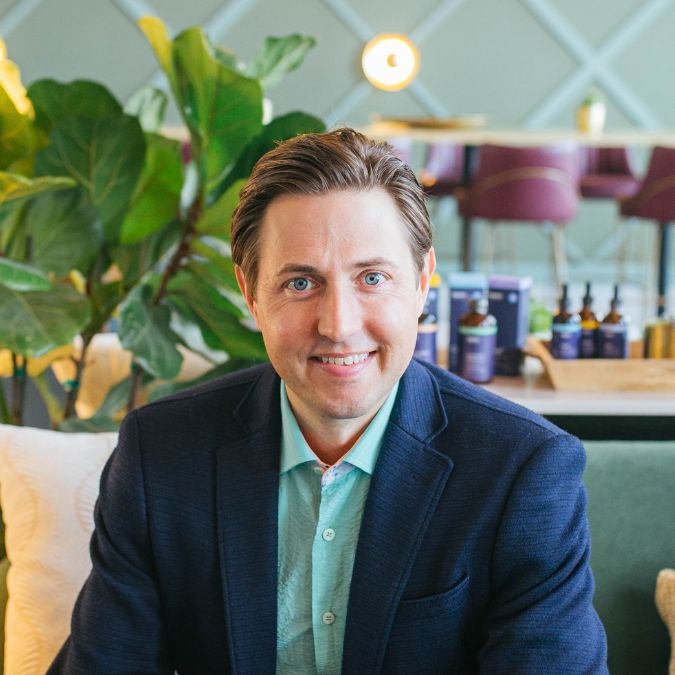
Mark Buschenfeldt
Clinical Intern
Mark Buschenfeldt
Mark brings a varied business background and a commitment to serving his community as he trains to become a mental health counselor. His clinical interests center on helping people feel understood, develop awareness, and explore meaningful change through a collaborative therapeutic relationship.
Experience
- Pursuing a master’s degree in Clinical Mental Health Counseling at Naropa University
- Previous business career spanning international roles and startups
- Clinical interests include person-centered therapy, Gestalt therapy, and mindfulness
- Incorporates principles from somatic, solution-focused, relational, and transpersonal approaches into his developing clinical work
Highlights
- Brings life experience to a new calling
- Values each person’s individual perspective
- Explores the connection between mind and body
// Insurance Coverage & Costs
What Does IOP in Denver Cost, and Does Insurance Cover It?
The cost of IOP depends on the program, treatment duration, services, and insurance benefits. Coverage is specific to your plan; an insurer’s name alone does not establish whether a particular provider or service is covered.
Flatirons Recovery’s admissions team can help verify benefits. Before starting, ask about:
– In-network or out-of-network status for the specific program.
– Your remaining deductible and any copay or coinsurance.
– Whether prior authorization is required.
– How continued treatment is reviewed by the insurer.
– Expected out-of-pocket costs and available payment arrangements.
Benefit verification is not a guarantee of payment. Request a clear explanation of expected costs so you can make an informed decision about care.
// Setting Yourself Up For Success
Planning for IOP in the Denver Area
Choosing an outpatient program involves more than finding a nearby result. If you are commuting from Denver, Arvada, Westminster, Thornton, or another nearby community, consider how the trip will fit around your session times. A manageable route and reliable transportation can make attendance easier to sustain.
Confirm the treatment address and where your specific services take place before your first appointment. Ask about arrival instructions, parking, and what to bring. If commuting or your home environment would make participation difficult, discuss virtual care or recovery housing options with admissions.
Find Hope. Begin Healing.
Taking the first step does not require having everything figured out. IOP in Denver, Colorado is closer than you think, and getting started begins with one conversation. At Flatirons Recovery, our admissions team will walk you through your options. Schedule a consultation today to find out what recovery can look like for you.
// Answers to Common Questions
FAQs About Intensive Outpatient Programs in Denver
Most people have questions before they are ready to commit to an IOP program in Denver. Here are honest answers to what we hear most often.
Does Flatirons Denver accept insurance?
We work with most major insurance carriers. Contact our admissions team to verify your specific coverage and benefits before you commit to anything.
How is IOP different from weekly outpatient therapy?
Standard outpatient therapy typically involves one session per week. IOP provides multiple structured sessions each week combining group therapy, individual therapy, and skills development, offering significantly more clinical support while preserving daily flexibility.
Do you treat mental health conditions alongside addiction?
Yes. Co-occurring conditions including anxiety, depression, PTSD, and trauma are treated within the same integrated care plan as addiction. Addressing both simultaneously is standard practice here, not an add-on.
How long does IOP typically last at Flatirons Denver?
Duration depends on individual needs and progress. Most people complete IOP over several weeks to a few months, and your clinical team reassesses regularly so the plan adjusts as you progress.
What should I bring to my first appointment?
Bring a valid photo ID, your insurance card, and any prescribed medications. Our admissions team handles the rest and will walk you through everything you need to know before you arrive.